Professional electrical installation in a modern home

Electrical Installation for New Homes: What Homeowners Need to Know Before Construction Begins

Building a new home is an exciting journey, full of decisions that will shape your living space for years to come. While the focus often falls on design, materials, and layout, one crucial aspect that deserves early attention is the home’s electrical system. Proper planning and execution of electrical installation can prevent costly fixes, improve safety, and ensure that your home meets modern energy demands. Understanding what to expect during this process helps homeowners make informed choices before construction even begins.

Electrical installation in a new home is not just about adding outlets and light fixtures. It involves a comprehensive plan that integrates power distribution, safety systems, lighting, and technological infrastructure. From wiring selection to breaker placement, every decision impacts both functionality and long-term maintenance. Homeowners who are proactive in this stage often avoid common mistakes that lead to interruptions, hazards, or inefficiencies in their daily living.

Many homeowners underestimate the complexity of installing electricity in a new build. While it may seem straightforward, there are strict building codes, safety regulations, and industry standards that must be followed. Engaging with qualified electricians early allows you to map out a system that accommodates current needs while providing flexibility for future upgrades, such as solar panels, electric vehicles, or smart home devices.

Planning Your Electrical Layout Before Construction

Creating a detailed electrical plan is the foundation of a successful installation. This starts with identifying essential power points throughout the home. Kitchens, living rooms, and home offices often require a higher concentration of outlets and dedicated circuits to handle modern appliances and electronics. Similarly, bedrooms, bathrooms, and utility areas must be carefully considered to ensure both convenience and safety.

Homeowners should also consider the placement of major appliances and lighting zones in the initial design phase. Early planning minimizes the need for unsightly surface wiring or expensive retrofits after walls are finished. In addition to outlets and switches, a complete plan will include provisions for smoke detectors, circuit breakers, and emergency lighting. Incorporating these elements upfront ensures compliance with safety regulations and contributes to a smoother construction timeline.

Choosing the Right Materials and Components

Selecting high-quality wiring, circuit breakers, and electrical boxes is critical. Not all materials are created equal, and investing in durable components reduces the likelihood of faults, fires, or frequent maintenance. Copper wiring is often preferred for its reliability and conductivity, while modern circuit breakers offer improved protection against overloads and short circuits.

Lighting fixtures, switches, and outlets should also be chosen with both aesthetics and function in mind. Energy-efficient options, such as LED lighting and smart switches, can reduce long-term costs and provide better control over your home’s electricity usage. Taking the time to research and choose the right components aligns with a well-planned electrical installation and contributes to a safer, more efficient home environment.

Safety Considerations Every Homeowner Should Know

Electrical installation comes with inherent risks, making safety a top priority. Licensed electricians are trained to handle wiring safely, following strict codes that prevent accidents during and after construction. Homeowners should ensure all contractors are certified and familiar with local building regulations.

Grounding and surge protection are essential safety measures. Proper grounding prevents electrical shocks, while surge protectors safeguard sensitive electronics against voltage spikes. Additionally, planning for residual current devices (RCDs) or circuit breakers ensures that any electrical fault triggers immediate shutdown, minimizing the risk of injury or damage. These precautions are vital for protecting both the home and the people living in it.

Integrating Modern Technology

Today’s homes are more technologically advanced than ever. From home automation systems to electric vehicle chargers, an effective electrical installation must accommodate current and future technology. Planning for network cabling, Wi-Fi coverage, and charging stations ensures that your home is ready for smart devices without costly modifications later.

Homeowners should discuss options for lighting automation, security systems, and energy management solutions with their electrician. By integrating these elements during the installation phase, you avoid the complications and limitations that arise when attempting to retrofit older wiring systems. This forward-thinking approach enhances comfort, convenience, and property value.

Ensuring Compliance and Inspection

Before any construction can be approved, electrical systems must meet local building codes. Inspectors evaluate wiring, breaker panels, and overall system safety to confirm compliance. Failing inspection can result in costly delays or require extensive rework.

Maintaining proper documentation of the electrical plan, permits, and inspections simplifies the approval process. Homeowners who actively participate in this stage not only ensure legal compliance but also gain peace of mind knowing that their electrical installation meets professional standards.

Key Steps Homeowners Should Take

  • Schedule consultations with licensed electricians early in the planning phase.

  • Map out outlet placement, appliance requirements, and lighting zones.

  • Choose high-quality wiring, breakers, and fixtures that meet safety standards.

  • Incorporate modern technology needs such as smart home devices and charging stations.

  • Verify compliance with local codes and maintain all documentation for inspections.

Investing time and thought into electrical installation before construction begins sets the stage for a safe, efficient, and future-ready home. By understanding the planning process, selecting quality components, prioritizing safety, and considering technological needs, homeowners can enjoy a seamless building experience. Properly executed, this phase ensures that your home functions flawlessly from day one and remains adaptable for years to come.

Contractor using GPS tracking and job management software together

GPS Tracking and Job Management Software: Why Contractors Need Both

Contractors today face a fast-paced and highly competitive environment. Managing multiple projects, coordinating crews, and ensuring timely delivery can quickly become overwhelming without the right tools in place. While traditional methods like spreadsheets and paper logs have their place, they are increasingly inadequate for modern contracting needs. Digital solutions offer not only efficiency but also accuracy, transparency, and real-time control over every aspect of a job. Among these tools, GPS tracking for contractors and job management software stand out as essential components of a streamlined operation.

Contractors are often responsible for teams spread across various sites, equipment that moves constantly, and deadlines that can shift at a moment’s notice. Monitoring these moving parts manually leads to wasted time, miscommunication, and errors that affect project budgets. By leveraging technology, contractors gain visibility over their operations, making it easier to identify bottlenecks, optimise schedules, and make data-driven decisions. This level of oversight transforms how businesses operate, shifting them from reactive problem solvers to proactive planners.

Beyond logistics, these digital tools also play a role in client satisfaction and compliance. Clients expect accurate updates and timely completion of projects, while regulations require thorough record-keeping and accountability. Integrating GPS tracking for contractors with robust job management software allows companies to meet these expectations consistently. Real-time updates, automated reports, and detailed audit trails not only enhance operational efficiency but also build trust with clients and regulatory bodies alike.

How GPS Tracking Enhances Contractor Operations

GPS tracking has evolved far beyond simple location monitoring. Modern systems provide detailed insights into vehicle usage, equipment status, and employee activity. This visibility helps contractors allocate resources more effectively, reducing downtime and unnecessary travel. When contractors can see exactly where their crews and machinery are at any given time, they can adjust assignments, reroute teams, and prevent delays before they escalate into costly problems.

  • Real-time alerts on vehicle and equipment movement

  • Historical data analysis to identify patterns and inefficiencies

  • Geofencing to restrict access to specific areas or sites

  • Integration with mobile apps for on-the-go monitoring

These features are especially valuable for contractors managing multiple projects simultaneously. For example, if a critical piece of equipment is delayed at one site, GPS tracking allows managers to identify alternative resources nearby and maintain workflow continuity. The result is not only smoother operations but also a stronger bottom line.

Job Management Software: The Central Hub

While GPS tracking provides crucial location and movement data, job management software serves as the central hub for planning, executing, and reviewing projects. This software brings together scheduling, budgeting, team management, and reporting into a single platform, giving contractors a comprehensive view of their business operations. With everything in one place, communication between field teams and office staff becomes seamless, reducing errors and duplication of effort.

  • Centralised scheduling and task assignment

  • Automated alerts for deadlines and project milestones

  • Budget tracking and expense management

  • Document storage for contracts, permits, and compliance records

Job management software also improves accountability. Team members can log their progress in real-time, supervisors can review updates instantly, and clients can receive accurate progress reports. This level of transparency ensures that projects stay on track and that everyone involved knows what is expected at every stage.

Why Combining GPS Tracking and Job Management Software Matters

Separately, GPS tracking and job management software provide substantial benefits, but their true power emerges when used together. Integration allows location data to inform scheduling, reporting, and resource allocation automatically. For example, a manager can see which crews are closest to an urgent task and reassign work without interrupting other operations. This synergy reduces downtime, improves response times, and maximizes productivity across the board.

Using GPS tracking for contractors alongside job management tools also enhances safety. In the event of an emergency, managers know exactly where personnel and equipment are located. Geofencing alerts prevent staff from entering hazardous areas, and automatic reporting ensures compliance with safety regulations. This dual approach not only safeguards workers but also protects the company from potential legal and financial repercussions.

Operational Benefits Beyond Efficiency

The integration of these technologies goes beyond daily operations. Contractors can leverage the data collected to identify long-term trends, predict future resource needs, and make strategic decisions. For example, tracking fuel usage, idle times, and project delays can highlight areas for improvement and cost savings. Similarly, job management software can generate detailed performance reports that inform staffing decisions, training needs, and client communication strategies.

  • Insights into equipment and workforce utilization

  • Data-driven decision-making for project planning

  • Reduced operational costs through efficiency and oversight

  • Improved client satisfaction through timely, transparent reporting

This combination also supports business growth. Contractors who adopt these tools can handle more projects simultaneously without sacrificing quality, while smaller companies can compete with larger operations by leveraging technology for efficiency.

Choosing the Right Tools

Selecting the right GPS tracking system and job management software is critical. Not all platforms are designed with contractors in mind, and compatibility between systems can make or break the value of integration. Features to consider include mobile accessibility, ease of use, reporting capabilities, and scalability. Vendors who understand the unique challenges of contracting can provide solutions that address real-world operational needs, rather than generic business functions.

When evaluating systems, contractors should consider the level of customer support, ease of installation, and how well the tools integrate with existing workflows. Trial periods or demo versions allow teams to test functionality before committing, ensuring that the software enhances productivity rather than complicates processes.

In the modern contracting landscape, GPS tracking for contractors and job management software are no longer optional—they are essential for efficiency, safety, and growth. By integrating these tools, companies gain complete visibility, streamline operations, and make informed decisions that drive success. Adopting these solutions ensures that contractors remain competitive, compliant, and prepared for the complex demands of today’s projects.

Identifying and addressing prescription medication addiction

Prescription Medication Addiction: Identifying Risks and Seeking Professional Help

Prescription medications play a vital role in managing pain, anxiety, depression, and a variety of chronic health conditions. When used correctly under a healthcare provider’s guidance, these drugs can significantly improve quality of life. However, the misuse or overuse of prescription medications can quickly lead to a dangerous pattern of dependence. Many people underestimate how easily these medications can become addictive, believing that prescriptions are inherently safe compared to street drugs. This misconception increases the risk of serious physical, emotional, and psychological consequences.

Recognizing the warning signs of dependency is critical. Early intervention can prevent long-term harm, yet many individuals struggle to identify the point at which regular use has become problematic. Factors such as genetics, environment, mental health conditions, and previous substance use all influence the likelihood of developing a prescription medication addiction. Understanding these risks empowers individuals and families to seek help before the situation escalates.

Accessing professional care is an essential step in recovery. Medical supervision, counseling, and therapy tailored to prescription medication dependence offer the most effective pathway to long-term wellness. Support from trained professionals can help manage withdrawal symptoms safely, address underlying psychological issues, and equip individuals with coping strategies to prevent relapse. This proactive approach can transform what feels like an overwhelming challenge into a structured path toward healing.

Common Risk Factors for Prescription Medication Addiction

Medication addiction often develops quietly. Some individuals begin by taking medication as prescribed, but tolerance builds over time, prompting increased doses to achieve the same effect. Others may experiment with higher quantities or combine drugs with alcohol, unknowingly setting the stage for dependency. Understanding these risk factors is the first step toward prevention.

Key contributors to prescription drug addiction include:

  • Personal or family history of substance abuse – Genetics can make certain individuals more susceptible to developing dependencies.

  • Mental health conditions – Anxiety, depression, and trauma increase vulnerability.

  • High-stress environments – Work pressure, financial strain, or social isolation may lead to over-reliance on medication for relief.

  • Early exposure to prescription drugs – Starting medication at a young age can normalize frequent use.

Being aware of these factors allows individuals to approach medication use cautiously. It also helps families and caregivers recognize when someone may need intervention before addiction takes hold.

Signs You May Be Developing a Medication Dependency

Prescription medication addiction can be challenging to detect because it often starts subtly. A person may appear to function normally while gradually relying on the drug for emotional stability or physical comfort. Early signs are often behavioral and psychological rather than physical.

Common indicators include:

  • Increased tolerance and the need to take higher doses

  • Withdrawal symptoms such as irritability, nausea, or insomnia when not taking the medication

  • Prioritizing medication use over work, relationships, or hobbies

  • Secretive behavior around medication consumption

  • Mood swings, anxiety, or depression linked to missed doses

Recognizing these warning signs promptly is crucial. Many people struggle in silence, believing they can manage usage on their own. In reality, professional support can prevent escalation and reduce the risk of severe complications.

The Role of Professional Help in Recovery

Breaking free from prescription medication addiction requires a structured approach. Professional care ensures safety during withdrawal and provides comprehensive strategies to address both physical and psychological dependence. Detox alone is rarely sufficient; effective recovery combines medical supervision, therapy, and ongoing support.

Therapeutic interventions may include cognitive-behavioral therapy, group counseling, and personalized treatment plans tailored to each individual’s needs. These programs help patients understand triggers, develop coping mechanisms, and rebuild healthy habits. Family therapy can also play a vital role, repairing strained relationships and creating a supportive home environment.

Seeking professional help is not a sign of weakness but a proactive choice. It provides a controlled, compassionate setting where patients can address the root causes of their dependence and develop the skills needed to maintain long-term sobriety.

Preventive Measures and Healthy Alternatives

Preventing prescription medication addiction often starts with responsible prescribing and personal vigilance. Doctors should regularly review medication plans, assess for signs of misuse, and provide alternatives when possible. Patients, in turn, can monitor their usage, maintain open communication with healthcare providers, and explore non-drug coping strategies.

Effective preventive strategies include:

  • Maintaining a consistent schedule and dosage as prescribed

  • Using pain management techniques like physiotherapy, meditation, or exercise

  • Participating in support groups to share experiences and learn from others

  • Avoiding sharing or borrowing prescription medications

Building awareness and practicing prevention can reduce the likelihood of developing a dependency and support overall health. Combining professional guidance with personal responsibility creates a framework for safe medication use.

Drug Dependence Recovery is a Continuous Journey

Recovering from prescription drug dependence is not a single event but a process. Even after successful detox and therapy, ongoing support and vigilance are essential to prevent relapse. Lifestyle adjustments, coping mechanisms, and community resources all contribute to long-term recovery.

Individuals who embrace structured programs often find renewed purpose and empowerment. They regain control over their lives and can rebuild trust with loved ones. Recovery also offers a chance to reevaluate personal goals and priorities, encouraging healthier choices across physical, emotional, and social dimensions.

Healing is possible when the problem is acknowledged and addressed with professional care. Early recognition of risks, combined with tailored treatment and continuous support, transforms what might feel like a hopeless situation into an opportunity for lasting wellness.

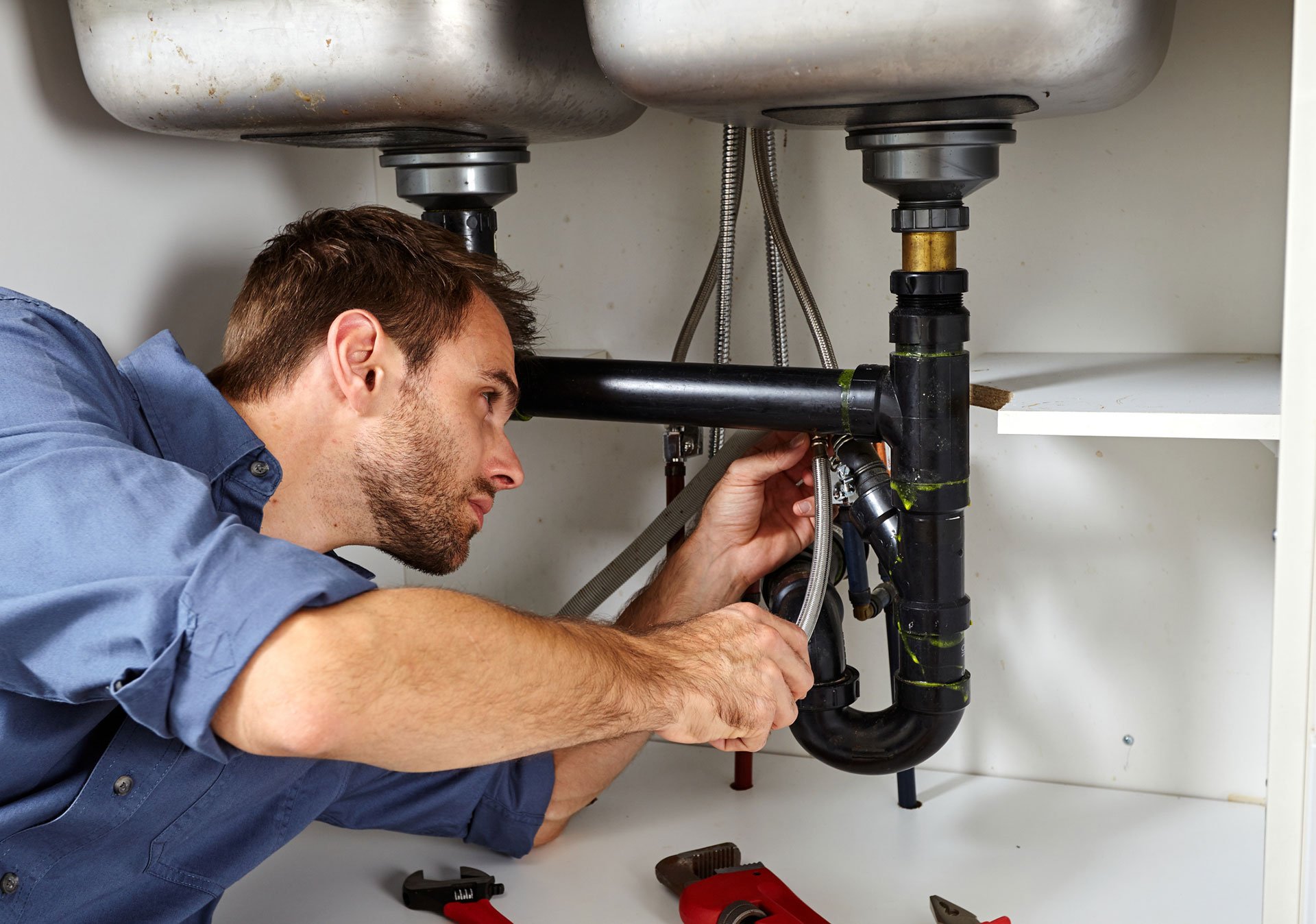
professional local plumber inspecting home pipes

How to Vet Local Plumbers Before You Let Them Into Your Home

Local plumbing issues can strike at the most inconvenient times. From sudden leaks to slow-draining sinks, having a reliable professional on hand is essential. But not all plumbers deliver the same level of service. Hiring someone without proper vetting can lead to higher costs, subpar work, or even damage to your home. Understanding how to assess potential service providers beforehand can save you both time and stress.

When searching for local plumbers, it’s tempting to choose the first company that pops up in an online search. However, relying solely on convenience can backfire. Each home has unique plumbing systems, and a one-size-fits-all approach rarely works. A thorough evaluation ensures that you find someone equipped to handle your specific needs. This process can also give peace of mind knowing that your property is in capable hands.

Vetting a plumber isn’t just about verifying skills. It’s equally important to gauge reliability, professionalism, and transparency. Checking credentials, references, and online reviews can reveal patterns that indicate trustworthiness. Whether it’s a small repair or a major installation, knowing what to look for before inviting someone into your home is a crucial step for every homeowner.

Check Qualifications and Licensing

One of the first steps in evaluating local plumbers is confirming their qualifications. Licensed professionals are more likely to adhere to industry standards and local building codes. In many regions, licensing also requires ongoing education, which ensures that a plumber stays updated on the latest techniques and technologies.

Insurance coverage is another critical aspect. Accidents happen, even to the most experienced professionals. A plumber with proper liability and worker’s compensation insurance protects you from potential financial responsibility in case of injury or property damage. Always request to see proof of both licensing and insurance before scheduling any work.

Evaluate Experience and Specialization

Experience can be as important as formal credentials. Some plumbers specialize in certain areas, such as pipe replacements, sewer repairs, or water heater installations. By understanding their strengths, you can match the right professional to the job.

Asking specific questions about past projects helps reveal expertise. For example:

  1. How many years have you worked in residential plumbing?

  2. Have you handled a problem similar to mine before?

  3. Can you provide references from recent clients?

These inquiries help you separate general contractors from true specialists who can handle complex situations efficiently.

Read Reviews and Gather References

Online reviews can be a valuable resource when researching local plumbers. Look beyond star ratings to read detailed feedback. Pay attention to recurring comments about timeliness, pricing transparency, and overall professionalism.

In addition to online reviews, request personal references. Speaking directly with previous clients can provide insight that reviews might not capture, such as responsiveness, communication skills, and post-service support.

Assess Communication and Customer Service

How a plumber communicates before the job often reflects how they will handle the work itself. Prompt responses, clear explanations, and professional behavior indicate reliability.

During your initial conversations, notice whether the plumber:

  • Answers your questions thoroughly

  • Explains the scope of work clearly

  • Offers practical solutions rather than vague assurances

Effective communication also prevents misunderstandings about costs, timelines, and expectations.

Compare Estimates and Transparency

Requesting multiple quotes ensures you have a clear understanding of fair pricing. Reliable local plumbers provide detailed estimates that break down materials, labor, and potential additional costs.

Beware of estimates that are unusually low or vague. While everyone likes a good deal, underpriced work can lead to shortcuts, subpar materials, or unexpected charges later. Transparency is key to avoiding unpleasant surprises.

Verify Warranties and Guarantees

A trustworthy plumber stands by their work. Ask about warranties or guarantees for both labor and parts. This demonstrates confidence in their workmanship and provides protection in case issues arise after the service is completed.

Documenting any warranty details in writing ensures there is no ambiguity. This simple step can prevent disputes and gives peace of mind that your investment is secure.

Trust Your Instincts

Finally, personal intuition plays a role in hiring local plumbers. A professional might check all the boxes on paper, but feeling comfortable with their approach and demeanor is equally important. You are allowing them into your home, so mutual respect and trust are essential.

Listening to your instincts alongside the objective criteria can prevent potential problems. If something feels off during the initial interactions, it’s better to continue your search than risk compromising your home’s safety or quality of service.

Inviting a plumber into your home doesn’t have to be stressful. By taking the time to verify qualifications, check experience, read reviews, and ensure clear communication, you reduce the likelihood of issues and make informed decisions. These steps create a foundation of trust, ensuring that any plumbing work is carried out safely, efficiently, and with minimal disruption.

passengers enjoying private charter flights interior

The World of Private Charter Flights: What to Expect From a Premium Sky Experience

Private travel has always captured the imagination of travellers who value comfort, flexibility, and a sense of personalised attention that scheduled airlines rarely provide. As more people seek tailored journeys that fit their pace and preferences, private charter flights have become an increasingly appealing choice for both business and leisure travel. They offer a level of convenience and exclusivity that feels remarkably different from the traditional airport experience.

For first-time flyers, the idea of stepping into the world of bespoke aviation can feel both exciting and slightly mysterious. Travellers often wonder what the process involves, how much freedom they really get, and whether the benefits justify the investment. In this space, private charter flights stand out as an experience that places you firmly at the centre of every decision, from the schedule and aircraft type to onboard comforts and service.

The premium nature of these flights goes beyond avoiding queues or crowds. It’s about shaping every stage of the journey according to your preferences. From the moment you book until the moment you land, the experience is infused with thoughtful detail and choice. This article explores what you can expect from a truly elevated journey, offering insight into how private aviation works and why it has become synonymous with luxury, efficiency, and freedom.

A tailored journey from start to finish

One of the defining characteristics of private aviation is the level of customisation involved. Unlike commercial airlines, where passengers adapt to fixed schedules, the itinerary revolves around your needs. This flexibility can make an enormous difference whether you’re rushing to close a deal in another city or planning a family escape.

Most travellers are surprised at how approachable the booking process feels. Operators often assign a dedicated consultant who guides you from initial enquiry to post-flight support. You select the departure time, preferred airport, and even the aircraft model. Smaller jets are ideal for quick regional hops, while long-range aircraft offer spacious cabins suited for international travel.

Your journey also begins at private terminals known as FBOs (fixed-base operators). These spaces are intentionally designed for comfort and discretion, offering relaxation lounges, refreshments, and expedited security checks. This means you can arrive just minutes before departure—a stark contrast to the long check-in lines and security queues found at major terminals.

Comfort that elevates every moment in the air

Step inside a private jet, and the difference is immediately clear. Cabins are quieter, calmer, and crafted to enhance relaxation or productivity. Instead of cramped seating, you’ll encounter plush armchairs, sofas, and layouts that feel closer to a luxury lounge than an aircraft.

Many jets allow you to customise cabin configurations, whether you need a meeting-friendly environment, a family-oriented layout, or a discreet space for rest. Lighting, temperature, and entertainment can be adjusted to suit your preferences. This focus on personalisation is one of the reasons why travellers increasingly appreciate private charter flights during longer journeys.

Catering adds another layer of indulgence. The menu can range from gourmet meals prepared by top-tier chefs to simple, comforting favourites—whatever best fits the occasion. Because the experience is designed around you, dietary requirements, allergies, and special requests are handled with care.

To provide a snapshot of what comfort can look like, here are a few elements passengers often enjoy:

  • Spacious seating with generous legroom

  • Noise-reducing cabin design

  • Fully reclining chairs or divan-style seating

  • Ambient lighting tailored to mood and time of day

  • High-speed connectivity for work or entertainment

Efficiency that transforms how you travel

Time is one of the greatest luxuries, and this mode of travel is built around saving it. From streamlined pre-flight processes to direct routes, these flights can turn a full day of travel into a significantly shorter and smoother experience.

A standout advantage is the ability to access smaller airports that commercial airlines don’t serve. This often places you much closer to your final destination, reducing the need for long ground transfers. For business travellers, this can mean arriving fresh and focused, ready to tackle meetings or site visits.

Another important factor is privacy. Travelling with your own group provides a calm and secure environment where sensitive conversations or confidential documents can be handled without concern. This makes premium aviation particularly valuable for executive teams.

The personalised service that defines premium flying

Service is the heart of the private aviation experience. From attentive crew to precise coordination behind the scenes, everything is handled with an emphasis on anticipation and discretion. Flight attendants—when present on larger jets—provide a level of attention that adapts to the mood of your journey, whether you prefer quiet relaxation, engaging conversation, or help with onboard business tasks.

Ground support is equally seamless. Teams ensure your luggage is handled carefully, transfers are arranged, and any special requirements are communicated clearly to the flight crew. It’s a well-orchestrated process that ensures you feel supported from departure to arrival.

Many travellers find that after experiencing this level of service, returning to traditional air travel becomes increasingly difficult. Even shorter routes feel more rewarding when your schedule, comfort, and preferences form the basis of every decision made along the way.

What to keep in mind before booking

Stepping into this world for the first time doesn’t require expertise, but a bit of preparation helps you maximise the experience. Understanding your needs and expectations makes it easier for operators to recommend the ideal aircraft and itinerary.

Consider these points when planning your trip:

  1. Determine your group size and purpose of travel, as this influences the aircraft type.

  2. Think about luggage requirements, especially if travelling with sports gear or equipment.

  3. Clarify any dietary needs so catering can be tailored in advance.

  4. Share your preferred travel times—flexibility helps operators secure the best options.

  5. Ask about onboard amenities, from Wi-Fi availability to entertainment features.

The more detail you provide, the more refined and seamless your premium sky experience becomes.

Enjoying the freedom and luxury of a tailored sky experience

As private aviation evolves, travellers continue to discover new advantages—greater privacy, enhanced safety controls, and an overwhelming sense of ease that stays with you long after the trip ends. Whether you’re travelling for business, leisure, or a special occasion, the journey feels curated in a way commercial travel simply cannot replicate.

With the combination of personalised service, remarkable comfort, and the freedom to travel on your own terms, these flights offer something rare: an experience that reshapes how you view air travel altogether. And for many, once they’ve experienced the world of private charter flights, the appeal becomes impossible to ignore.

addiction counsellor Johannesburg assisting client with recovery

When to See an Addiction Counsellor: Scope of Practice and What They Can Help With

Addiction can quietly infiltrate lives, often starting subtly and gradually affecting relationships, work, and mental health. Many individuals try to manage these struggles alone, believing they can regain control without external support. While self-help strategies and peer support can be beneficial, professional guidance is often necessary to navigate the complexities of substance use or behavioural addictions effectively. Recognizing the right time to seek professional help can significantly alter the trajectory of recovery.

For residents dealing with substance use challenges, seeking guidance from a qualified professional is an essential step. An addiction counsellor can offer structured support, helping individuals understand the underlying factors of their addiction and develop personalized strategies for recovery. This assistance is not limited to intervention alone; it often extends to emotional, psychological, and behavioural guidance, ensuring a comprehensive approach to well-being. In Johannesburg, specialized services provide tailored approaches that consider the diverse needs of individuals facing addiction.

Understanding the scope of practice of addiction counsellors is crucial for anyone contemplating professional help. These trained professionals are equipped to address a broad spectrum of issues, from alcohol and drug dependence to behavioural patterns that interfere with daily functioning. Knowing what they can and cannot do allows individuals and families to set realistic expectations and access the most effective support for their situation.

Understanding the Role of an Addiction Counsellor

Addiction counsellors are trained mental health professionals who specialize in assessing, supporting, and treating individuals struggling with addictive behaviours. Their role goes beyond simply providing advice or moral support; they apply evidence-based techniques to help clients develop coping mechanisms, recognize triggers, and manage cravings. They also work to address co-occurring issues, such as anxiety, depression, or trauma, which often exacerbate addictive behaviours.

In Johannesburg, addiction counsellors often collaborate with medical practitioners, therapists, and support networks to create a holistic treatment plan. This interdisciplinary approach ensures that clients receive comprehensive care that addresses both the psychological and physiological aspects of addiction. By focusing on long-term strategies rather than quick fixes, counsellors aim to empower individuals with the tools and insight necessary to maintain sustainable recovery.

Signs It Might Be Time to Seek Professional Help

Many people hesitate to reach out for professional support until the problem becomes unmanageable. However, early intervention can significantly improve outcomes. You might consider contacting an addiction counsellor Johannesburg if you notice persistent patterns that interfere with daily life, such as:

  • Increasing dependence on substances or behaviours despite negative consequences

  • Difficulty managing emotions or stress without turning to addictive behaviours

  • Withdrawal from friends, family, or previously enjoyed activities

  • Repeated unsuccessful attempts to reduce or quit the behaviour on your own

  • Physical health changes or mental health symptoms related to substance use

Recognizing these signs early can prevent the development of more severe physical, emotional, and social consequences. Counsellors can help create a safe and supportive environment to explore these challenges, providing guidance without judgment.

What an Addiction Counsellor Can Help With

An addiction counsellor’s expertise spans a variety of interventions designed to support recovery. They typically focus on three main areas: understanding the addiction, developing coping strategies, and promoting behavioural change. This often involves cognitive-behavioural therapy, motivational interviewing, and relapse prevention planning. They also provide education about the impact of substance use or addictive behaviours on health, relationships, and overall life functioning.

Additionally, counsellors can help clients improve communication skills, rebuild trust in relationships, and manage the emotional turbulence that often accompanies recovery. Family counselling or group therapy may be integrated into the process, providing additional layers of support and perspective.

Clients working with an addiction counsellor may also receive assistance in connecting with other resources, such as medical evaluations, psychiatric care, or social support networks. These connections are vital because recovery is rarely a solo journey; a well-rounded support system increases the likelihood of long-term success.

Benefits of Seeking Counselling Early

Early engagement with an addiction counsellor can dramatically influence the recovery process. By intervening before patterns become entrenched, individuals gain insight into their behaviours, learn practical coping mechanisms, and address underlying issues that may contribute to addiction.

Some of the notable benefits include:

  • Personalized strategies that align with individual goals and lifestyles

  • Improved emotional regulation and stress management

  • Greater understanding of triggers and methods to avoid relapse

  • Enhanced communication and relationship repair with loved ones

  • Increased accountability through structured support and follow-up

These benefits collectively support a stronger foundation for long-term recovery, making the journey less overwhelming and more manageable.

Choosing the Right Addiction Counsellor

Finding the right addiction counsellor is an essential part of the recovery process. Consider factors such as professional qualifications, experience with specific types of addiction, and the therapeutic approaches they employ. Compatibility is also critical; clients should feel comfortable, understood, and respected by their counsellor.

In Johannesburg, many counsellors offer personalized assessments to understand individual needs before developing a treatment plan. Some may focus on intensive outpatient programs, while others provide flexible session schedules or integrate holistic methods such as mindfulness, wellness coaching, or complementary therapies. Prioritizing a counsellor whose approach aligns with your personal goals and preferences can make the recovery journey more effective and sustainable.

Engaging with an addiction counsellor is not a sign of weakness but a proactive step toward regaining control over one’s life. Professional guidance offers clarity, structure, and compassionate support, helping individuals move from dependency to empowerment. With the right interventions and a supportive framework, recovery becomes achievable, and life can gradually return to balance and purpose.

how coastal climate affects airconditoning in Cape Town

How Cape Town’s Coastal Climate Affects Air Conditioning Performance: What Homeowners Should Know

Cape Town’s breathtaking coastal scenery comes with a unique set of environmental factors that can influence how your home appliances perform — especially your cooling systems. While homeowners may enjoy cool ocean breezes and moderate temperatures throughout parts of the year, the high humidity, salty air, and fluctuating weather patterns can pose consistent challenges. Many residents already rely on airconditoning in Cape Town to keep indoor environments comfortable, yet few realise just how much the coastal climate affects efficiency and long-term performance.

Investing in a good system is one thing, but understanding how climate impacts your air conditioner’s ability to operate effectively is equally important. During hot summer days, units work harder to regulate indoor temperatures and maintain consistent airflow. Homeowners who depend on air-conditioning in Cape Town often struggle with maintenance issues caused by the coastal climate, including accelerated corrosion and system strain, which can lead to breakdowns if not addressed proactively.

Even with premium equipment, the combination of sea air and humidity can reduce the life expectancy of an AC unit compared to inland areas. Knowing what preventative measures to take, the types of materials that work best, and when to schedule servicing can make a substantial difference. By adjusting installation techniques and maintenance routines to suit local weather conditions, you can enjoy uninterrupted cooling throughout the year.

Understanding the Impact of Salty Coastal Air

The salty coastal breeze is one of the biggest contributors to air conditioner wear in areas near the ocean. Salt particles in the air accumulate on metal surfaces and components, speeding up oxidation and rust formation. This can reduce cooling efficiency and lead to compressor issues.

Homes located within a few kilometres of the coastline are particularly exposed. Over time, if the external unit is not properly protected, the salt causes aluminium fins and copper coils to degrade more rapidly. While modern systems often feature anti-corrosive coatings, additional precautions are recommended for long-term reliability.

Some practical solutions include:

  • Installing a weather-resistant AC cabinet or housing

  • Opting for marine-grade materials

  • Requesting protective coatings during installation

  • Scheduling more frequent cleaning of the outdoor unit

These measures help reduce exposure and keep the outdoor condenser working optimally even in harsher environments.

High Humidity and Its Effect on Cooling Efficiency

Cape Town’s high humidity levels can cause air conditioners to work harder to remove excess moisture from indoor air. When moisture levels rise, energy consumption increases, as the unit must dehumidify and cool simultaneously.

Rooms with poor ventilation, especially coastal-facing ones, are likely to feel warmer and damp. This can lead to mould growth and impact indoor air quality if the AC is not equipped with proper moisture control features. Choosing a system with high-performance dehumidification functionality can help regulate indoor conditions more effectively.

Long-term exposure to humidity also affects electronics and wiring inside AC units. Moisture infiltration may cause circuit board failures and reduce overall lifespan if not monitored closely. Ensuring adequate drainage and airflow around the unit plays a major role in preventing internal component damage.

Seasonal Winds and Weather Changes

Cape Town experiences strong winds, particularly during the summer months, which may interfere with outdoor AC units. Wind-driven debris can clog air filters or restrict airflow. Some homes may benefit from installing wind deflectors or positioning the condenser away from direct wind exposure.

Additionally, rapid temperature swings between day and night cause AC systems to cycle on and off more frequently. This added operational stress can lead to higher energy usage and early wear on moving parts.

Routine checks on air filter condition, compressor health, refrigerant pressure, drain lines will help prevent performance dips and improve durability.

Best Practices for Maintaining AC Performance in Coastal Areas

Ongoing maintenance is the most effective way to counteract coastal climate factors. Homeowners should consider bi-annual servicing instead of the standard once-a-year check common in inland areas. Regular cleaning of the outdoor unit helps remove salt buildup and dirt.

Steps to consider for better long-term care:

  1. Schedule professional inspections before summer and winter.

  2. Clean condenser coils and remove corrosion early.

  3. Replace air filters frequently to maintain airflow.

  4. Seal any gaps around windows and doors to reduce the load on the system.

  5. Ensure drainage lines are clear to avoid water accumulation.

Smart thermostats can also assist by managing energy consumption and preventing unnecessary system strain. By analysing usage patterns and identifying temperature imbalances, these devices help prolong system life and optimise cooling.

Choosing the Right System for Coastal Conditions

Not all air conditioning systems are designed to cope with coastal climates. When selecting a unit, ask suppliers about corrosion resistance, design upgrades, and whether the model is recommended for homes near the sea.

Features that offer better resilience in coastal locations include:

  • Enhanced anti-rust and anti-corrosion coatings

  • Stainless steel casing or hardware

  • Enclosed compressor housings

  • Energy-efficient performance ratings

  • Advanced filtration and humidity control

Some brands offer coastal specification models tailored for harsh environments. Evaluating long-term operating costs instead of focusing solely on initial price can help homeowners make better decisions.

When to Seek Professional Support

Routine DIY cleaning can help, but professional AC technicians familiar with the region’s conditions can identify issues early and recommend climate-specific improvements. Many local specialists offer tailored servicing packages that consider the effects of coastal elements.

If you notice reduced airflow, higher electricity bills, increased noise, or frequent cycling, it may be an early sign of salt or humidity damage. Rather than waiting for the system to fail, calling a technician to assess the cooling engine can prevent expensive repairs down the line. Proper care, especially where airconditoning in Cape Town is frequently relied upon, ensures maximum efficiency and comfort regardless of external climate pressures.

Professional inspections allow for timely component replacements, extended system longevity, and reduced energy wastage. In the long term, prioritising climate-adapted practices will save money and create more comfortable homes even during peak heat periods.

Weekend program offering quick TEFL qualification

Top Mistakes to Avoid When Choosing TEFL Courses Online

You’ve decided to teach English and are ready to get certified — exciting! But as you start browsing TEFL courses, you’re met with hundreds of options, each claiming to be “the best” or “internationally recognized.” It’s easy to feel unsure which ones are real and which ones just look professional.

The truth? Some courses deliver genuine, high-quality teacher training. Others simply take advantage of newcomers who don’t know what to look for. The difference often lies in understanding what not to do before enrolling.

Here’s a straightforward guide that highlights the biggest mistakes to avoid when choosing TEFL courses — and what to do instead.

1. Don’t Skip Accreditation — Do Verify It

Don’t: Assume a course is accredited just because it says so.
Do: Double-check who accredited it and whether that body is recognized in the education industry.

Legitimate accreditation ensures the course meets international teaching standards. Look for detailed information on the provider’s website and confirm it through the accreditor’s own platform. A course without verified accreditation may not be accepted by employers abroad or online.

2. Don’t Let Price Be the Deciding Factor — Do Focus on Value

Don’t: Choose the cheapest course you can find.
Do: Compare features, tutor access, and job support instead.

A slightly higher price often means better materials, real feedback, and stronger post-course assistance. Remember, your certificate’s credibility affects your employment opportunities — not just your wallet.

When comparing costs, ask yourself:

  • Does the price include lifetime access or upgrades?

  • Are tutors qualified and responsive?

  • Is there personalized support after completion?

3. Don’t Ignore Practical Training — Do Look for Teaching Practice

Theory-only programs might seem convenient, but without hands-on experience, your confidence in front of students will suffer. Many of the best online TEFL courses include virtual teaching sessions or observed lessons.

Do:

  • Check if teaching practice is included in the curriculum.

  • Ensure you’ll receive feedback from real trainers.

  • Look for modules that simulate classroom interaction.

Even a few hours of practical work can make a world of difference when it’s time to teach real students.

4. Don’t Choose Blindly — Do Match the Course to Your Goals

Not all TEFL courses prepare you for the same environment. Some focus on online teaching, while others are better suited to classroom instruction abroad. Choosing a course that doesn’t fit your goals can limit your job prospects.

Ask yourself:

  • Where do I want to teach?

  • What kind of learners do I want to work with?

  • Do I plan to specialize (e.g., teaching business professionals or children)?

When your course aligns with your teaching path, you’ll find it easier to stay motivated and land a role that suits your strengths.

5. Don’t Overlook Job Support — Do Prioritize Career Assistance

Once you’re certified, getting hired is the next challenge. Some TEFL courses offer excellent job placement help, while others leave you to navigate the process alone.

Look for programs that provide:

  • CV and interview guidance

  • Job boards or hiring partnerships

  • Ongoing career advice or networking opportunities

The transition from training to teaching becomes much smoother when you have structured support from the start.

6. Don’t Rush the Process — Do Take Your Time

You don’t need to decide in one afternoon. Rushed decisions often lead to regret. Instead, give yourself time to compare programs, read reviews, and ask questions directly to course advisors.

Here’s a simple 3-step plan:

  1. Shortlist 3–5 accredited providers.

  2. Read verified graduate reviews (avoid only testimonials on their own site).

  3. Contact them to clarify what’s included in the course.

Doing this ensures you’re confident in your choice — and not relying on marketing promises alone.

Choosing wisely among TEFL courses is less about luck and more about research. By verifying accreditation, seeking teaching practice, and choosing value over price, you’re setting yourself up for a rewarding and respected teaching career. The right course isn’t just another certificate; it’s the foundation of your journey to inspire learners across the globe.

IPTV

Exploring IPTV Services: What Viewers in South Africa Should Know

In recent years, television has evolved far beyond traditional satellite and cable setups. Viewers today expect flexibility, high-quality streaming, and access to on-demand entertainment across multiple devices. That’s where IPTV comes in — a technology that has revolutionised how we consume media. As broadband internet has become faster and more reliable, IPTV in South Africa has gained massive popularity, offering users a wide range of content options at their fingertips.

Unlike traditional broadcast methods that transmit signals through satellite or cable, IPTV delivers content using internet protocol networks. This allows for a more interactive and customisable viewing experience. People can pause live TV, record shows, or catch up on missed episodes with ease. The appeal of IPTV in South Africa lies not just in its convenience, but also in its ability to cater to different viewing preferences and budgets.

There are several variations of IPTV available today, each designed to meet specific needs and user habits. Whether you’re a casual viewer looking for flexible access to local channels, or someone who wants a premium, on-demand entertainment experience, understanding the different types of IPTV services can help you make the best choice for your lifestyle.

Live IPTV

One of the most common forms of IPTV is live television streaming. This service mirrors the experience of watching traditional broadcast TV, but it’s delivered via an internet connection instead of cable or satellite. Live IPTV is ideal for people who enjoy keeping up with real-time events such as sports, news, or live concerts.

With live IPTV, you can watch channels as they air, often with the added benefit of HD or 4K quality. Many providers also offer built-in replay or restart features, so if you tune in late, you can start the programme from the beginning. It’s a modern solution that combines the familiarity of live TV with the flexibility of online streaming.

Time-Shifted IPTV

Time-shifted IPTV caters to viewers who prefer not to stick to a strict broadcast schedule. This service allows you to rewatch shows or events that were aired recently. For example, if you missed last night’s episode of your favourite series, time-shifted IPTV lets you catch up at your convenience.

Typically, the content is available for a limited period, such as a few days or weeks. It’s perfect for busy individuals who don’t always have time to watch television when it airs live. With IPTV services like these, viewers gain greater control over when and how they consume content — something that traditional TV can’t offer.

Video on Demand (VOD) IPTV

Video on Demand, or VOD, is one of the most popular types of IPTV today. Instead of following a broadcast schedule, users can choose exactly what they want to watch from a digital library. This can include movies, series, documentaries, or even music videos. The biggest advantage of VOD IPTV is freedom — you decide what to watch and when to watch it.

In South Africa, VOD platforms have seen tremendous growth thanks to improved internet infrastructure and the demand for diverse entertainment options. Whether you prefer local productions or international hits, you’ll find a wealth of choices on these platforms. Some IPTV providers even offer subscription models or pay-per-view systems, allowing users to tailor their experience to their budget.

Catch-Up IPTV

Catch-up IPTV is slightly different from time-shifted TV. While both allow you to view previously aired content, catch-up IPTV often provides access to a wider range of episodes or programmes over a longer period. This means you can binge-watch multiple episodes or revisit past shows at your leisure.

It’s an especially useful feature for viewers who travel or work irregular hours. Instead of relying on a fixed schedule, you can return to your favourite programmes whenever it suits you. This flexibility is a major reason IPTV has become such a popular choice among households in South Africa.

Hybrid IPTV

Hybrid IPTV combines traditional broadcast TV with internet-based streaming. This service is often used by telecommunications companies that already provide fibre or broadband services. It gives users access to both live TV channels and online content through a single interface.

The benefit of hybrid IPTV is that it offers the best of both worlds — the reliability of conventional broadcasting and the versatility of on-demand streaming. It’s a seamless experience that appeals to users who don’t want to completely give up traditional television but still desire the modern features that come with IPTV technology.

Choosing the Right IPTV Service

When choosing an IPTV service, consider what type of viewing experience you prefer. Here are a few factors to keep in mind:

  • Content variety – Look for platforms that offer a mix of local and international channels.

  • Streaming quality – HD or 4K streaming enhances your viewing experience.

  • Device compatibility – Ensure the service works on your preferred devices like smart TVs, tablets, or smartphones.

  • Subscription options – Choose between free, pay-per-view, or monthly packages based on your budget.

By understanding the different types of IPTV available, you can find a service that aligns with your entertainment needs. As technology continues to evolve, IPTV South Africa is expected to grow even further, offering smarter, faster, and more interactive options for every type of viewer. Whether it’s live sports, movies on demand, or binge-worthy series, IPTV is redefining how South Africans experience television.

buy caviar online

The Best Time to Buy Caviar Online for Maximum Freshness

Caviar has actually long been related to status, extravagance, and event. As soon as thought about a high-end booked for the elite, it is now significantly readily available to critical food fans throughout South Africa. Thanks to the increase of online premium shopping, anybody with refined taste and a gratitude for extraordinary components can now purchase caviar online from relied on regional and worldwide sources.

Generally, sourcing quality caviar indicated taking a trip abroad or browsing a specific niche network of specialized importers. Nowadays, nevertheless, regional customers can access a world of alternatives at their fingertips. Whether you’re preparing a personal tasting occasion, preparing a romantic supper, or merely yearning a taste of high-end, you’ll discover that the capability to purchase caviar online offers you the liberty to check out a curated series of premium choices without leaving your home.

This benefit includes more than simply time cost savings. Getting caviar from an online provider enables you to search evaluations, learn more about numerous types of sturgeon roe, and compare rates and sourcing details before deciding. When you purchase caviar online, you’re not just purchasing a special — you’re purchasing a premium experience that starts with discovery and ends in decadence.

What Makes Online Caviar Shopping So Appealing?

The capability to access an international special like caviar from the convenience of your sofa is unquestionably attractive. However beyond benefit, purchasing caviar through a trusted online shop implies you can access higher-quality items than what may be readily available at your regional premium supermarket. Lots of South African suppliers now use over night cooled shipment, suggesting your caviar gets here fresh, effectively saved, and prepared to serve.

For the lover or premium explorer, this opens an interesting world of taste. Whether you’re yearning the abundant, buttery pearls of Beluga, the company grains of Ossetra, or a more budget friendly yet scrumptious farmed option, shopping online offers you the power to pick. Some providers even use tasting notes and food pairing ideas, permitting you to maximize your cooking experience.

In addition, online shops frequently have turning stock and seasonal imports, making it simple to attempt something brand-new or buy an unusual range before it offers out. When you choose to purchase caviar online, you likewise access to in-depth item details that you may not discover on a rack — such as harvest dates, sustainable farming accreditations, or in-depth provenance.

Relied On Ways to Make Sure Freshness and Quality

When purchasing something as delicate and premium as caviar, quality assurance is necessary. This is why it’s important to pick an online provider that prioritises appropriate product packaging, temperature-controlled shipment, and transparent sourcing. A trustworthy seller will deliver your caviar in insulated containers with ice bags or cooled shipment techniques to keep its freshness.

Search for online suppliers that offer vacuum-sealed tins or containers and consist of clear storage guidelines. The product packaging needs to not just keep the item cold however likewise secure it from light and air direct exposure, both of which can break down flavour and texture. The capability to purchase caviar online does not imply jeopardizing on quality — it needs to imply improving it, with care drawn from the minute it’s loaded to the minute it reaches your refrigerator.

How to Enjoy Your Caviar in your home

Bringing home caviar is just half the satisfaction — the rest depends on how you serve and savour it. Real lovers comprehend that discussion and pairing are necessary. Caviar needs to be served cold, preferably on a bed of crushed ice, and scooped with a non-metallic spoon (such as mother-of-pearl, bone, or glass) to prevent imparting any undesirable flavours.

Popular accompaniments consist of blinis, toast points, and crème fraîche. For beverages, Champagne and dry champagnes stay ageless pairings. These raise the natural flavour of the roe without subduing its subtlety. If you’re feeling daring, attempt pairing caviar with vodka, cold sake, and even a dry gewurztraminer.

Online shops frequently offer these pairings and serving ideas as part of the consumer experience. This contributes to the delight of having the ability to buy caviar online — you’re not simply purchasing a food product, you’re crafting an elegant dining minute in the house.

Why South Africans Are Picking to Purchase Caviar Online

Whether you’re checking out great dining for the very first time or are a skilled caviar fan, the capability to buy this premium special online has actually never ever been more dependable, or fulfilling. More South Africans are accepting the possibility to indulge in the house, and online premium merchants are fulfilling this need with ever-expanding line of product and reliable shipment.

There’s something clearly unique about delighting in great caviar — and doing so without needing to step foot outside makes it a lot more wonderful. From unique imports to eco-conscious regional ranges, purchasing caviar online methods having the world’s finest specials provided to your door, fresh and fuss-free.

With safe payment entrances, consumer evaluations, and in-depth item descriptions, today’s online shopping platforms are created to construct trust and provide quality. For those who long for elegance and extraordinary flavour, there’s no much better time to purchase caviar online and check out a brand-new world of refined taste.

1 2 8